Pallet Liquidation for Retail Stores
Discovering Profits: The Definitive Guide to Pallet Liquidation
Within the world of retail, pallet liquidation presents a distinct opportunity for profit. Business owners can tap into a wide variety of merchandise at reduced costs. However, achieving results depends on understanding procurement, product evaluation, and strategic resale methods. Many fall prey to common pitfalls that can threaten their operations. As this guide unfolds, it will reveal essential insights that can turn a basic liquidation purchase into a profitable enterprise. What strategies will prove most effective?
Pallet Liquidation Explained: Your Essential Guide
Pallet liquidation offers a remarkable prospect for individuals and businesses looking to obtain reduced-price stock. This method encompasses the selling of excess or returned items, commonly bundled in pallets, at considerably reduced prices. Retailers often liquidate surplus inventory to regain capital and make room for incoming merchandise. Purchasers can uncover a broad selection of goods, from electronics to clothing, which can be resold for profit or used personally.
Understanding the pallet liquidation process is vital for prospective purchasers. It involves evaluating the condition of items, understanding the market value, and establishing the potential for resale. Additionally, buyers must be aware of the sale terms, including any limitations or charges. This awareness facilitates well-informed choices and maximizes the advantages of liquidation purchasing. Ultimately, it provides a economically sound avenue for acquiring goods, fostering entrepreneurial opportunities, and advancing sustainable buying habits.
Finding Reliable Sources for Pallet Liquidation
Identifying reliable channels for discounted pallets is essential for those seeking to take advantage of marked-down stock. Various avenues exist for sourcing these pallets, including bulk merchandise suppliers, liquidation warehouses, and digital platforms. Established wholesale distributors often maintain strong connections with manufacturers, empowering them to deliver superior pallets at cost-effective prices. Clearance warehouses focus on excess and returned merchandise, supplying an extensive selection of goods. Online platforms, such as auction sites and dedicated liquidation websites, can also serve as valuable resources, allowing purchasers to place bids on pallets from multiple retailers.
It is important to conduct thorough research on potential suppliers, examining reviews and testimonials to evaluate trustworthiness. Moreover, inspecting physical sites can reveal important details about the quality of stock available. Developing partnerships with dependable suppliers can elevate the purchasing process and secure ongoing access to quality liquidation pallets.
Essential Factors for Evaluating Quality in Liquidation Pallets
When evaluating wholesale liquidation pallets, a thorough physical examination is necessary to detect possible concerns. Moreover, the credibility of the manufacturers contained within the pallets plays a critical role in determining the overall value. Recognizing these elements can substantially affect buying choices and future resale value.
Visual Examination Methods
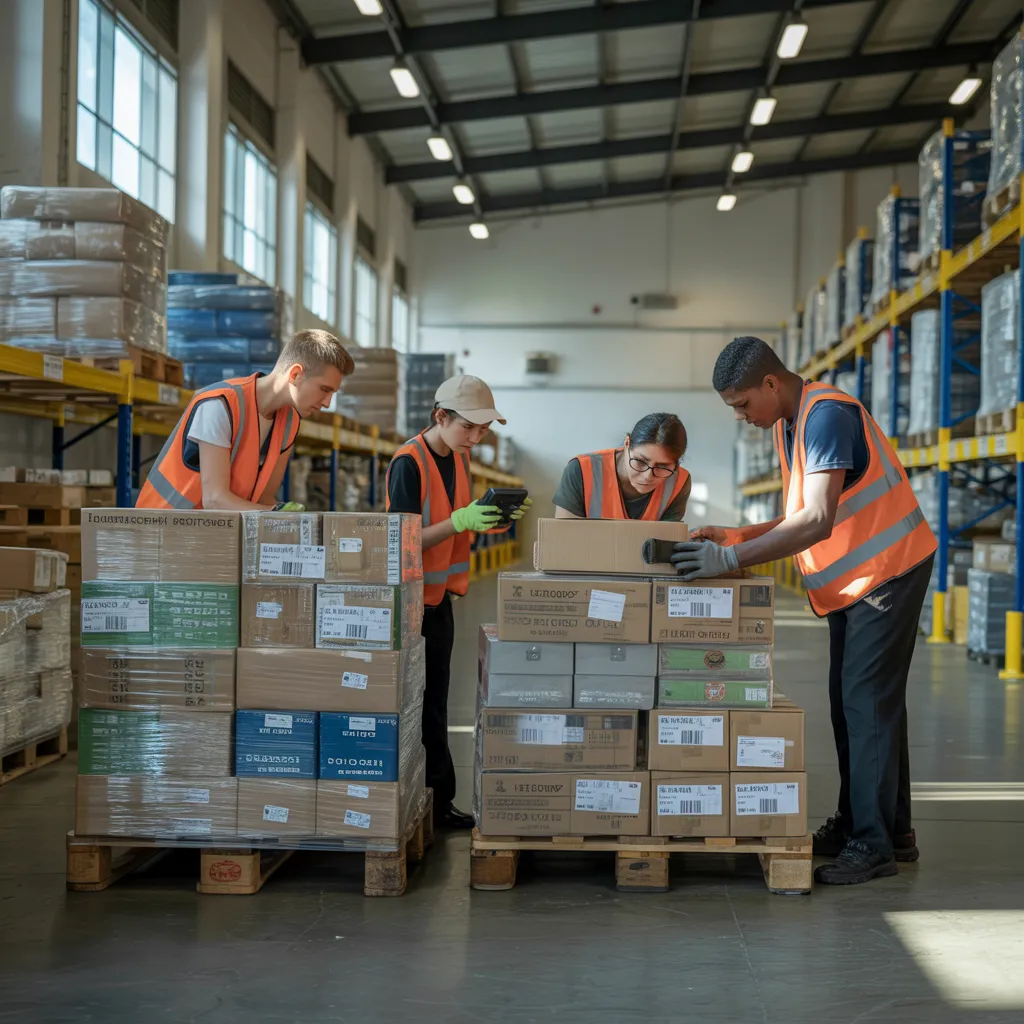
A thorough visual inspection can significantly improve the chances of identifying worthwhile products in pallet liquidations. Evaluators should begin by inspecting the outer surface of the pallet for any signs of damage or wear. This involves checking for compromised seals, ripped packaging, or visible stains, which may signal damaged goods. Subsequently, analyzing the overall organization of the items can reveal information about quality; neatly organized pallets often indicate improved merchandise organization. Additionally, noting brand tags and product details can assist in determining possible resale worth. Buyers should also watch for missing components or accessories that could reduce the worth of particular products. By applying these visual evaluation strategies, individuals can arrive at educated choices, enhancing their profit potential in pallet liquidations.
The Importance of Brand Reputation
Brand reputation plays an essential role in determining the standard of liquidation pallets and can significantly impact potential resale value. Retailers must examine the brand's reputation in the market, as established brands typically offer better-quality merchandise. A well-regarded brand is often connected to reliability and superior craftsmanship, which can boost consumer confidence and interest.
Moreover, the manufacturer's track record of customer satisfaction and warranty policies can act as benchmarks for merchandise quality. Buyers should further research buyer reviews and comments on particular products within liquidation merchandise. By selecting trusted brands, resellers can reduce risks, guaranteeing that the items they purchase are likely to sell quickly and at a better profit margin, consequently maximizing their returns from liquidation lots.
How to Resell Liquidated Merchandise Like a Pro
Selling liquidation products demands a well-planned approach to maximize profits. Critical factors include professional tips sourcing quality liquidation pallets, developing strong pricing strategies, and identifying the most suitable selling platforms. Recognizing these components can substantially boost overall performance in the secondary market.
Sourcing Quality Liquidation Pallets
Exploring the world of liquidation pallets can be a profitable opportunity for those looking to resell merchandise. To find quality liquidation pallets, one must focus on reputable suppliers. Well-known liquidation firms and wholesalers often offer a variety of pallets, ensuring better product quality. Evaluating the condition of items within the pallets is essential; inspecting manifest lists can provide insights into potential value. Networking with other resellers can yield valuable information on dependable sources. Additionally, participating in liquidation auctions or industry trade shows can uncover unique opportunities. By emphasizing reliable channels and conducting diligent research, resellers can improve their inventory quality and boost profits. Ultimately, careful sourcing lays the foundation for profitable resale activities in this competitive market.
Pricing Strategies for Resale
Understanding how to strategically price liquidation merchandise is a critical component in increasing overall profits. Retailers are advised to begin by evaluating the original retail value of items and studying existing market dynamics to determine competitive pricing. A widely used strategy involves pricing at 30-50% of retail value to attract buyers while ensuring a reasonable profit margin. Furthermore, considering the condition of items—unused, restored, or secondhand—can influence pricing decisions. Retailers might consider using tiered pricing structures, offering discounts on bulk purchases to encourage larger transactions. Adaptability in pricing approaches is crucial; adjusting prices based on demand and seasonal trends can optimize sales. Ultimately, clear communication about the value of the products helps foster customer trust and encourages repeat business.
Top Selling Platforms
Identifying the right sales channels is crucial for increasing the profits of liquidation inventory. Several choices are available, including web-based marketplaces like eBay, Amazon, and Facebook Marketplace, which offer large customer bases and intuitive browsing experiences. Specialized liquidation websites, such as Liquidation.com, can also be advantageous for attracting purchasers looking exclusively for surplus goods. Nearby selling opportunities, like flea markets or consignment shops, offer opportunities for in-person transactions and immediate cash flow. Social media channels, especially Instagram and Pinterest, allow sellers to present items in a compelling way, engaging specialized buyer groups. Understanding the buying habits and characteristics of each platform's user base can assist vendors in refining their approach, ensuring a higher turnover and enhanced revenue potential for liquidated items.
Steer Clear of These Common Mistakes in Pallet Liquidation
What strategies can help individuals navigate the challenges of pallet liquidation while avoiding frequent pitfalls? Countless buyers tend to undervalue the critical role that detailed research plays before finalizing a purchase. Failing to investigate the condition of items or the reputation of suppliers can lead to costly mistakes. Additionally, overlooking shipping costs and logistics can erode profits, as hidden fees may arise unexpectedly.
Another common pitfall is underestimating the target market. Sellers may source merchandise that do not match buyer expectations, resulting in idle merchandise. Furthermore, insufficient knowledge of applicable laws can create compliance problems, notably when redistributing particular goods.
Finally neglecting to track expenses and sales can impede accurate profitability assessment. By resolving these concerns, people can improve their likelihood of succeeding in the pallet liquidation industry, thereby maximizing their return on investment.
Boosting Revenue Through Pallet Liquidation Strategies
Maneuvering through the obstacles of pallet liquidation sets the stage for implementing proven methods to increase returns. Savvy entrepreneurs often begin by performing comprehensive market analysis to locate sought-after merchandise. Recognizing regional buying patterns allows for informed purchasing decisions, ensuring that the pallets purchased contain items with significant resale appeal.
In addition, taking advantage of e-commerce channels for selling can widen audience reach and enhance profit margins. Sellers should focus on improving product listings with in-depth descriptions and clear, high-quality images to draw in potential buyers.
Networking with other liquidation professionals can deliver meaningful understanding of optimal strategies and prospective collaborations, improving total profitability.
Ultimately, keeping inventory management effective reduces overhead costs and minimizes waste. By making strategic pallet selections, optimizing sales channels, and handling inventory in an efficient manner, vendors can tap into considerable earning potential in the pallet liquidation market.
Common Questions and Answers
What Product Types Are Usually Included in Liquidation Pallets?
Liquidation pallets commonly contain an assorted range of merchandise, including clothing, electronics, furniture, and household goods. Sellers frequently offload excess inventory, damaged items, or seasonal stock through these pallets. Buyers are likely to encounter high-value goods, brand-name items, and various general merchandise at significant discounts. The selection is often varied, leading to possible hidden gems or excess products that are difficult to move, attracting both deal seekers and resellers equally.
What Is the Expected Cost of a Liquidation Pallet?
One can expect to spend anywhere from $200 to $1,000 on a liquidation pallet, based on variables including the type of merchandise, the seller, and the potential resale value. Lower-priced pallets often contain general merchandise, while more expensive selections often feature electronics or brand-name items. Buyers should conduct thorough research to guarantee they understand the market value and potential return on investment before finalizing their buying decision.
Are There Particular Seasons That Provide Better Liquidation Deals?
Particular periods present more attractive liquidation deals, especially after significant holidays like Christmas and Black Friday when retailers eliminate extra inventory. Furthermore, the end of business quarters often triggers increased liquidation activity as companies seek to lower stock levels. Fall and spring can also offer prospects, as seasonal changes encourage retailers to refresh their inventory. Therefore, experienced buyers tend to watch these times for prime purchasing opportunities in liquidation pallets.
Am I Able to Negotiate Prices When Acquiring Liquidation Pallets?
Indeed, negotiation is commonly possible when purchasing liquidation pallets. Purchasers can negotiate with sellers regarding cost, especially if they are acquiring multiple pallets or have formed a connection. Vendors may be willing to consider offers, particularly if they are looking to move inventory quickly. Having knowledge of market value and conducting thorough research can enhance a buyer's negotiating position, potentially leading to improved agreements and greater profit potential.
What Are the Best Platforms to Sell Liquidated Items Online?
The top platforms for selling liquidated items online are eBay, Amazon, and Facebook Marketplace. Such platforms deliver extensive reach and easy-to-use interfaces, enabling smooth transactions. Additionally, sites like Craigslist and OfferUp cater to local buyers, enhancing visibility for sellers. Purpose-built liquidation platforms, including Liquidation.com, can be valuable for connecting with niche markets. Utilizing multiple platforms can maximize exposure and increase the likelihood of successful sales.